Singles Ministry Resources to Support Spiritual Growth

Table for One Ministries • July 1, 2024
  • Singles Bible Studies and Devotionals

    Slide title

    Learn More

    Button
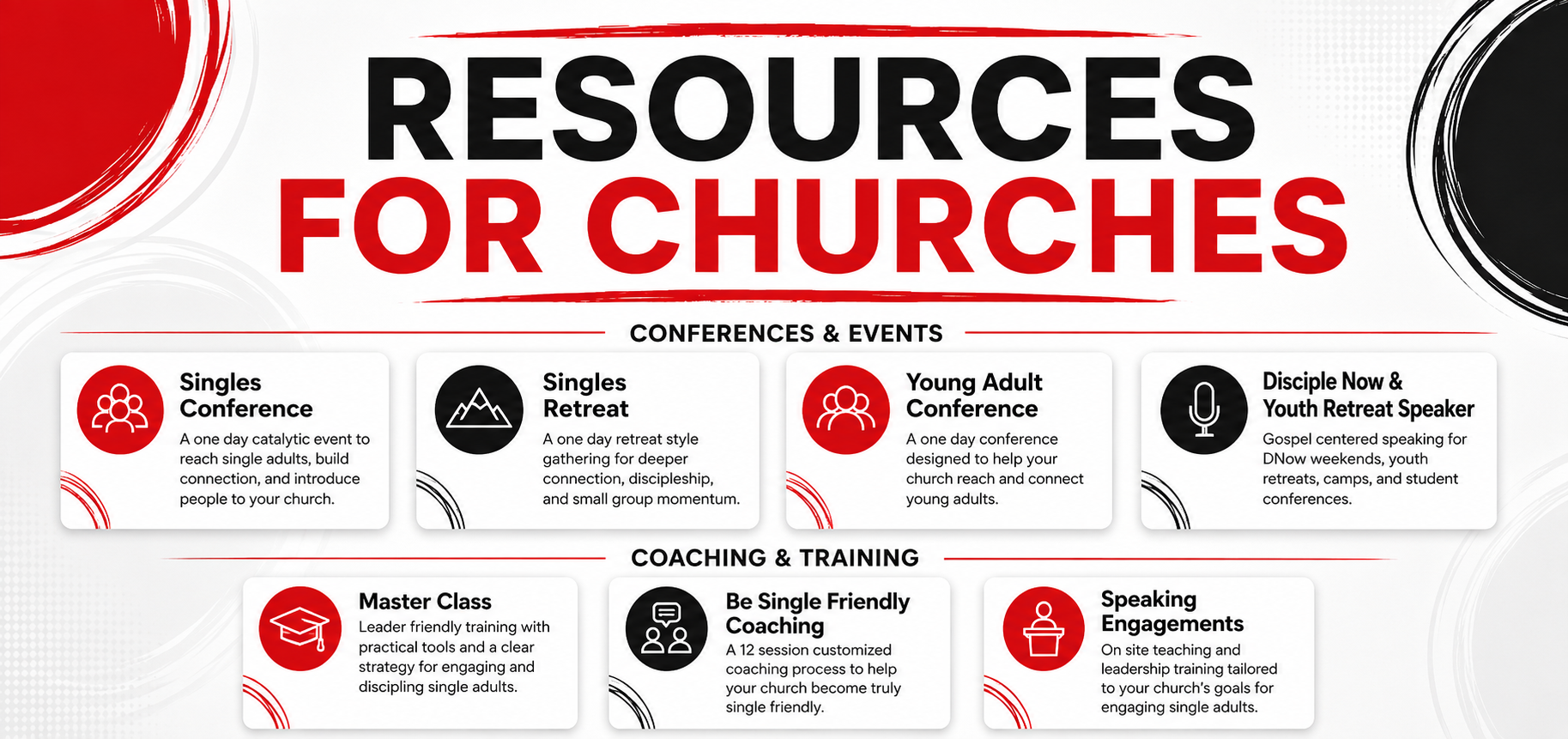
  • Resources for Churches

    Slide title

    Learn More

    Button
  • Singles Shop

    Slide title

    Write your caption here
    Button

Understanding the Importance of Singles Ministry in Spiritual Development

Singles ministry plays a vital role in spiritual development by offering a unique space where individuals can focus on their personal relationship with God, free from the distractions or pressures often found in other life stages. It’s not just about finding a future partner but about nurturing one’s faith journey. This ministry provides tailored resources, events, and community support geared towards the spiritual needs of single adults, emphasizing personal growth, healing, and empowerment through faith. Engaging in singles ministry facilitates a deeper understanding of one’s spiritual identity, encourages active participation in the faith community, and cultivates a supportive environment where individuals can share their challenges and achievements. Ultimately, embracing the offerings of singles ministry can significantly enrich an individual’s spiritual life, laying a strong foundation for all areas of personal development.

Venice gondola tour

Identifying Key Singles Ministry Resources for Spiritual Growth

Identifying key singles ministry resources for spiritual growth starts with knowing what’s out there. Start by exploring weekly bible study groups that focus specifically on the needs and questions singles might have. These groups offer a chance to dive deep into faith while connecting with others who share similar life situations. Additionally, consider retreats or workshops designed for singles. These events are powerful for individual growth and provide unique opportunities to bond and form meaningful relationships within the church community. Books and online resources authored by Christian leaders can also be invaluable. Look for ones that tackle topics relevant to single life from a biblical perspective, including dealing with loneliness, understanding God’s plan for relationships, and personal development through faith. Lastly, don’t overlook the value of mentorship within the ministry. Connecting singles with more experienced individuals in the faith can foster spiritual maturity and offer guidance through life’s challenges. Remember, the goal is to utilize these resources to build a supportive, enriching environment that encourages spiritual growth at every turn.

Strategies for Implementing Singles Ministry Resources Effectively

To make the most out of singles ministry resources, it’s important to focus on strategies that foster spiritual growth and community building. First, assess your group’s needs. Are they looking for fellowship, spiritual guidance, or both? Once you understand the needs, tailor your resources accordingly. Use group studies to spark discussions and personal reflection. These can be book series or Bible study guides that challenge individuals to delve deeper into their faith.

Second, workshops and seminars on topics relevant to single adults, such as dating as a Christian, finding your purpose, and managing finances biblically, can offer practical advice and foster a sense of belonging. Encourage engagement by making sessions interactive and relatable.

Third, retreats are excellent for building community and allowing for deeper spiritual exploration. These getaways can range from a weekend in nature to a more structured conference with speakers. The change of scenery often helps attendees open up and experience God in new ways.

Lastly, don’t overlook the power of consistent, small group meet-ups. These gatherings create intimate spaces for individuals to share, pray, and support each other on a regular basis. Implementing a mixture of these strategies will not only utilize your singles ministry resources effectively but also build a thriving, supportive community focused on spiritual growth.

The Role of Community in Enhancing Spiritual Growth Through Singles Ministry

The power of community can’t be underestimated, especially when we talk about growing spiritually through singles ministry. Think about it, walking together with others who share similar life stages and values makes the journey richer and more meaningful. This shared journey provides multiple perspectives, support during tough times, and celebration during the good ones. A singles ministry creates a unique space where individuals can explore their faith, ask deep questions, and wrestle with doubts, all within a supportive community. This is crucial because spiritual growth isn’t a solo adventure; it requires encouragement, accountability, and the diverse insights that only a community can provide. Moreover, such a community fosters a sense of belonging, making it easier to stay committed to one’s spiritual practices and growth. The takeaway here is clear: leaning into the community aspect of singles ministry can significantly amplify your spiritual growth.

Tailoring Singles Ministry Resources to Meet Individual Needs

When running a singles ministry, one size does not fit all. Everyone has unique spiritual pathways and needs, so tailoring resources to meet these diverse needs is essential. Start by genuinely getting to know the individuals in your ministry. What are their interests? Challenges? Spiritual goals? With this understanding, you can better select resources that resonate on a personal level. For example, some might thrive in group Bible studies, while others might prefer one-on-one mentorship or topical workshops focusing on practical aspects of faith in daily life. Incorporate a variety of resources, including books, podcasts, and online courses, that cater to different learning styles and life situations. Remember, the key here is flexibility and the willingness to adapt resources to support each person’s spiritual journey in a meaningful way.

Organizing Events and Activities Using Singles Ministry Resources

To make the most out of singles ministry resources, planning engaging events and activities is key. Start by identifying the interests and needs of your singles group. This could include spiritual growth workshops, community service projects, or fun social outings. Once you have a list, use the resources available to you—like discussion guides, activity manuals, and planning toolkits—to organize these events. Remember, the goal is to foster connections and provide meaningful experiences that encourage spiritual growth. Keep things straightforward: pick a date, set a clear agenda, and spread the word. It doesn’t need to be complicated; simple gatherings with a purpose can have a significant impact. Use feedback from each event to refine and improve future ones, always keeping the focus on meeting the spiritual needs of your singles community.

Online Singles Ministry Resources and How to Leverage Them

Online Singles Ministry Resources are a goldmine for supporting individuals in their spiritual journey. Let’s dive straight into how to make the most out of them. First, identify your goals . Ask yourself, “What am I seeking?” It could be fellowship, understanding Scripture, or personal development. Once you know this, the hunt for resources becomes more focused. Next, explore websites and apps dedicated to Singles Ministry. Many offer devotionals, podcasts, and video series aimed at solo spiritual growth. Don’t just consume; interact. If there’s a comment section or a forum, jump in. Sharing your reflections or asking questions can deepen your understanding and connect you with like-minded individuals. Then, there’s the power of virtual groups . These are spaces where you can meet people from around the globe who are on a similar path. Join Bible studies or accountability groups to keep your spiritual goals in check. Finally, remember this isn’t a solo mission. Share resources with friends or your local community. Maybe even start a discussion group yourself. By leveraging these online resources, not only do you feed your soul, but you also build bridges with others walking the same path. So, get online, get engaged, and watch your spiritual life thrive.

Addressing Challenges in Singles Ministry with Effective Resources

Singles ministry faces unique challenges like loneliness, societal pressure to find a partner, and sometimes a lack of understanding or support within the church community itself. Tackling these issues head-on requires a well-thought-out approach. First, injecting variety into ministry activities can help. This includes both spiritual and social events, creating a balanced environment where single individuals feel valued. Second, offering resources such as counseling services, mentorship programs, and spiritual growth workshops can make a significant difference. These resources provide the support and guidance necessary for personal development. Lastly, encouraging open dialogue and participation ensures that everyone feels heard and understood. By addressing these challenges with the right resources, singles ministry can become a powerful platform for individual and collective growth.

Testimonies and Success Stories: The Impact of Singles Ministry Resources

Sharing testimonials and success stories can be a powerful way to show the impact of your singles ministry resources. When individuals hear about how others have grown spiritually and found a deeper connection with their faith through these resources, it encourages them to engage more deeply and see the potential in their own lives. It’s not just about telling success stories; it’s about showing real-life examples of transformation. People often relate more to stories than statistics. So, when you share how John discovered his life’s purpose or how Sarah found strength during a tough time through the ministry, it paints a vivid picture of the possibilities. These stories serve as evidence that the resources are effective and that the ministry is making a real difference in people’s lives. Remember, it’s about impact—how one book, event, or group discussion can change someone’s perspective or path. Use these stories in your newsletters, on your website, and during your meetings. Let them inspire and motivate your community to dive deeper into what the ministry offers.

Moving Forward: Continuing Spiritual Growth with Singles Ministry Resources

In the journey of faith, individuals often seek guidance to deepen their spiritual understanding and connection with a higher power. For those flying solo, singles ministry resources come as a beacon of hope and support. These resources are crafted to meet your unique life situations, offering a blend of spiritual nourishment and practical wisdom. They come in various formats – think books, online courses, podcasts, and local group meet-ups. Each serves a different purpose but with the same goal: to propel your spiritual growth.

Diving into these resources, you start with self-reflection sessions, guided by thought-provoking questions that challenge your beliefs and values. Then, you can join Bible study groups specifically designed for singles, which offer a safe space to explore faith and form meaningful connections with like-minded individuals. Don’t shy away from attending workshops and retreats that focus on personal development and spiritual enrichment. These gatherings can be pivotal in finding your spiritual footing and understanding your life’s purpose from a faith-based perspective.

Remember, the goal isn’t just to consume these resources but to let them transform you. Make it a habit to apply the lessons learned in your daily life. Whether it’s practicing gratitude, serving others, or setting boundaries, these actions reinforce your spiritual foundation, promoting a well-rounded growth. Engaging with singles ministry resources is more than a passive activity; it’s an active pursuit of a deeper, more fulfilling relationship with faith and community.


By Table for One Ministries • September 28, 2026
You remember a friend’s difficult appointment and send a message afterward. Someone from church notices your long week and brings dinner, while another person makes time to sit and listen. These ordinary moments help us understand that giving and receiving love already belong in a single adult’s life. When most conversations about love languages begin with a spouse or a dating relationship, however, it can be easy to miss how much they have to do with the people already around us.  The five love languages for singles are words of affirmation, quality time, receiving gifts, acts of service, and physical touch. Gary Chapman’s framework gives us a way to discuss how we express care and what helps us recognize it. Single adults can consider these ideas in friendships, family relationships, dating, and church community, with appropriate boundaries for each relationship. From a Christian perspective, their usefulness should lead us toward loving people more faithfully as we follow Jesus. Why the five love languages matter for singles A single adult may be building a career, raising children, caring for a parent, grieving a spouse, or enjoying a meaningful life without plans to marry. Each of those circumstances includes relationships that deserve attention. Someone who has never married does not need to wait for a wedding to learn how to encourage a friend or receive help. Someone rebuilding life after divorce still has opportunities to develop trust and participate fully in Christian community. The U.S. Census Bureau’s 2025 estimates put the median age at first marriage at 30.8 for men and 28.4 for women. Churches should take these years of adult life seriously, while remembering that singleness also includes people in later decades and people who have been married before. Our teaching about relationships needs room for the lives people are actually living. Friendship, hospitality, service, and spiritual growth matter throughout those lives, whatever the future holds. Chapman’s The 5 Love Languages Singles Edition applies the framework beyond marriage, including relationships with friends and family. That broader application is helpful because a single adult’s relationships have value in the present. A friendship does not need to become romantic to be meaningful. Learning to understand another person can become part of how we honor that person and take responsibility for our life together. A Christian perspective on love languages For Christians, love begins with God’s character and His gracious action toward us. First John 4:19 (ESV) says, “We love because he first loved us.” In the surrounding passage, John connects God’s love revealed through His Son with our responsibility to love one another. We respond to the love we have received in Christ by learning to care for real people, including people whose needs and preferences differ from ours. Jesus lived His earthly life unmarried, fully obedient to the Father and without any deficiency in His humanity. Marriage is a good gift, but it cannot serve as the church’s measure of spiritual maturity or usefulness. In Colossians 2:9–10 , Paul grounds the believer’s fullness in Christ, not in a relationship status. Being complete in Christ gives us a secure foundation for relationships while leaving room to acknowledge our need for friendship, encouragement, and community. We should also be careful about what we ask love languages to accomplish. A 2024 review by Emily Impett, Haeyoung Gideon Park, and Amy Muise found limited scientific support for the framework’s central claims, including the idea that matching a partner’s preferred language reliably produces greater relationship satisfaction. That research concerns romantic relationships; it does not establish an outcome for friendships or church ministry. I would use the categories to begin thoughtful conversations, while allowing Scripture to guide our understanding of love and paying attention to the whole person. All five love languages with examples for singles The official explanation of the five love languages identifies five familiar ways people communicate affection and care. The examples below apply those categories to everyday single adult life. As you read, consider both what you appreciate receiving and what someone close to you may need. You may recognize yourself in several categories, and another person may value a different response than the one you naturally offer. Words of affirmation Words of affirmation communicate care through sincere encouragement, appreciation, and acknowledgment. For single adults, that might mean a friend recognizing a difficult decision, a parent expressing gratitude, or a church leader naming someone’s faithful contribution. Specific words help us understand what another person has noticed. Telling a single parent that you saw their patience during a difficult evening communicates more than a general compliment offered in passing. Christian encouragement should be truthful and attentive to the person’s circumstances. Ephesians 4:29 directs believers toward speech that builds others up according to the need of the moment. A divorced friend may appreciate recognition of their steady obedience without another prediction about finding someone better. A never-married adult may need to hear that their wisdom and service already strengthen the church, without every compliment turning into a comment about their eligibility for marriage. If words of affirmation matter to you, explain that kindly to trusted people. You can tell a friend that their specific encouragement stayed with you during a difficult week. Then practice offering the same attentiveness to someone else. This week, name one quality you have actually observed and explain how it has encouraged you. Quality time Quality time communicates care through focused attention and shared presence. For singles, it can look like an unhurried conversation after church, a regular walk, or a meal where phones stay put away. The activity creates room to know one another more deeply. Listening to what someone says, remembering it, and returning to the conversation later can help a friendship grow beyond exchanging updates. Availability will look different across relationships and seasons. A single parent may have a short window between responsibilities, while an older adult may prefer a daytime visit to an evening gathering. Ask what is realistic and make a plan both people can keep. Friendship becomes more dependable when we respect one another’s work, rest, family responsibilities, and need for personal space. If you appreciate quality time, a clear invitation gives another person something concrete to consider. Suggest lunch next Sunday or a phone call during a mutually convenient time. Allow room for a different suggestion or a gracious decline. Consistent attention can grow through ordinary routines without making constant access to another person the measure of their love. Receiving gifts Receiving gifts describes the significance of a thoughtful, tangible expression of care. The value may come from what the gift communicates about being remembered. A favorite snack, a book connected to a recent conversation, or a small item celebrating an accomplishment can carry that meaning. A useful question is whether the gift reflects something you know about the person receiving it. Single adults have milestones worth celebrating throughout their lives. Completing a certification, moving into a new home, recovering from a difficult season, or reaching a meaningful birthday can give friends an opportunity to pay attention. Churches can also celebrate faithful service and personal growth across different life circumstances. These occasions help us recognize people whose celebrations may receive less attention than weddings and baby showers. Keep gifts appropriate to your budget and to the relationship. An expensive gift may create discomfort, particularly when romantic intentions are uncertain. Give with the freedom to receive a simple thank-you, without expecting affection, access, or repayment. Thoughtfulness remains possible when money is limited, especially when you have taken time to learn what someone values. Acts of service Acts of service communicate care through practical help that responds to an actual need. A ride when a car is being repaired, help carrying furniture, or a meal during a demanding week can make a meaningful difference. Single adults may be managing many responsibilities without another adult in the home, though their circumstances vary widely. Asking before acting helps us offer assistance that is useful and welcome. For a single parent, practical support might involve an agreed grocery pickup or help from a trusted caregiver. For someone grieving a spouse, it might mean assistance with a household task their spouse once handled. Offer a specific possibility, then listen to the response. That approach gives the person room to accept, suggest something different, or decline without embarrassment. In Galatians 6:2 , Paul calls believers to help carry one another’s burdens as an expression of life under Christ. Receiving appropriate help can therefore be part of participating in the body of Christ. You do not have to repay every kindness immediately to remain someone’s equal. As circumstances allow, you can also bring your own gifts and abilities to the needs of others. Physical touch Physical touch refers to appropriate, welcomed contact that can communicate affection or support. For singles, this might include a hug from a trusted friend, holding a family member’s hand during grief, or a celebratory high-five. Some people find these expressions meaningful, while others prefer more personal space. The relationship, setting, and other person’s comfort all matter. Ask before initiating touch when you are unsure, and accept the answer without pressure. A person’s history, culture, preferences, or present circumstances may influence what feels welcome. Church members should have the freedom to choose a handshake, a verbal greeting, or no physical contact. Respecting that choice is itself an expression of care. A preference for physical touch does not create a claim on someone else’s body. For Christian singles who are dating, affection also needs to honor biblical sexual ethics and the conviction that sexual intimacy belongs within marriage. Honest conversations about boundaries belong alongside conversations about affection. You can acknowledge a desire for closeness while making choices that honor Christ and the dignity of another person. How to discover your love language while single You can explore your love language without being in a dating relationship. Begin by remembering occasions when a friend or family member helped you feel understood and cared for. Consider what happened and why it mattered. Then ask whether you tend to express care in the same way or whether your habits of giving differ from what you appreciate receiving. If you want a guided starting point, use the official love language quiz . Treat the result as a prompt for reflection and conversation. It cannot tell you everything about your needs, and it should not become a test that everyone around you must pass. Continue learning through honest relationships, especially when your circumstances change. It also helps to describe what would be useful in a particular moment. You might explain that you would appreciate someone listening before offering advice, or that a ride would help more than another encouraging message that day. Ask the other person what would serve them as well. Mutual understanding grows when both people have room to speak and neither is expected to read the other’s mind. Be a friend worth having this week At Table for One Ministries, we encourage people to be a friend worth having . That begins with noticing the people God has placed in our lives and taking responsibility for how we treat them. Love languages can help us consider a practical response, but Christian friendship also requires honesty, patience, forgiveness, and faithfulness over time. First Corinthians 13:4–7 gives us a picture of love that reaches into our character and conduct. Choose one person this week and ask what would help them feel supported. Listen carefully enough to discover whether they need encouragement, time, practical assistance, or something you had not considered. Offer a response you can actually follow through on, and leave room for them to receive it freely. If you need care yourself, consider one trusted person with whom you can speak honestly. Church leaders can practice this same attentiveness by inviting single adults into ordinary life and listening to their perspectives. Include them in meals, meaningful responsibilities, and conversations about the church’s future. Notice their gifts and ask about their lives without making marital status the center of every conversation. A congregation grows in love when its members know one another well enough to care with understanding. If you want to explore Chapman’s framework further, The 5 Love Languages Singles Edition is available on Amazon . Read it alongside Scripture and discuss its ideas with people who know you well. Your next faithful step may be a conversation with a friend, a request for help, or a practical act of service. You can trust Christ, know Christ, and reflect Christ in the relationships before you today.
Singles Ministry Co-Leaders: Choosing Well, Handling Conflict
By Table for One Ministries • September 22, 2026
Learn how to choose singles ministry co-leaders, set clear small group expectations, resolve conflict biblically, and keep discipleship at the center of ministry.
Christian support for loneliness after losing a spouse.
By Table for One Ministries • August 28, 2026
Learn how Christian widows and widowers can deal with loneliness after losing a spouse through prayer, community, support, and hope.
 Bible says about widows and God’s care for widowhood.
By Table for One Ministries • August 28, 2026
Explore what the Bible says about widows, God’s care, church support, Psalm 68:5, James 1:27, and biblical hope in widowhood.
Open Bible beside a quiet window representing Christian hope after losing a spouse for widows and wi
By Table for One Ministries • August 21, 2026
Find Christian hope after losing a spouse with biblical comfort, grief support, Scripture, and encouragement for widows and widowers.
Young adults gathered in biblical community as a church helps them apply biblical principles to AI
By Table for One Ministries • August 17, 2026
Churches can help young adults use AI with biblical wisdom, resist artificial intimacy, and build real discipleship in biblical community for today's world.
Christian single adult considering dating after divorce with wisdom, healing, and faith.
By Table for One Ministries • August 10, 2026
Dating after divorce requires wisdom, healing, community, and clear faith. Learn how Christian singles can move slowly and stay complete in Christ today wisely.
Divorced adult finding Christian hope through Scripture, prayer, and journaling after divorce.
By Table for One Ministries • August 3, 2026
Life after divorce can feel uncertain and painful. Find Christian hope, identity, purpose, and community as you rebuild complete in Christ after divorce now.
Christian healing after divorce through prayer, grief, Scripture, and trusted support.
By Table for One Ministries • July 27, 2026
Healing after divorce takes honest grief, biblical comfort, wise support, and community. Learn how Christ restores identity beyond shame, loss, and pain today.
single men in church
By Table for One Ministries • July 20, 2026
Single men in church need more than attendance. Here are 7 ways churches can help single men belong, lead, serve, grow in Christ, and matter in the mission.