4 Questions to Ask a Date Who Has Been Divorced (Christian Dating After Divorce)

Table for One Ministries • January 4, 2026
  • Singles Bible Studies and Devotionals

    Slide title

    Learn More

    Button
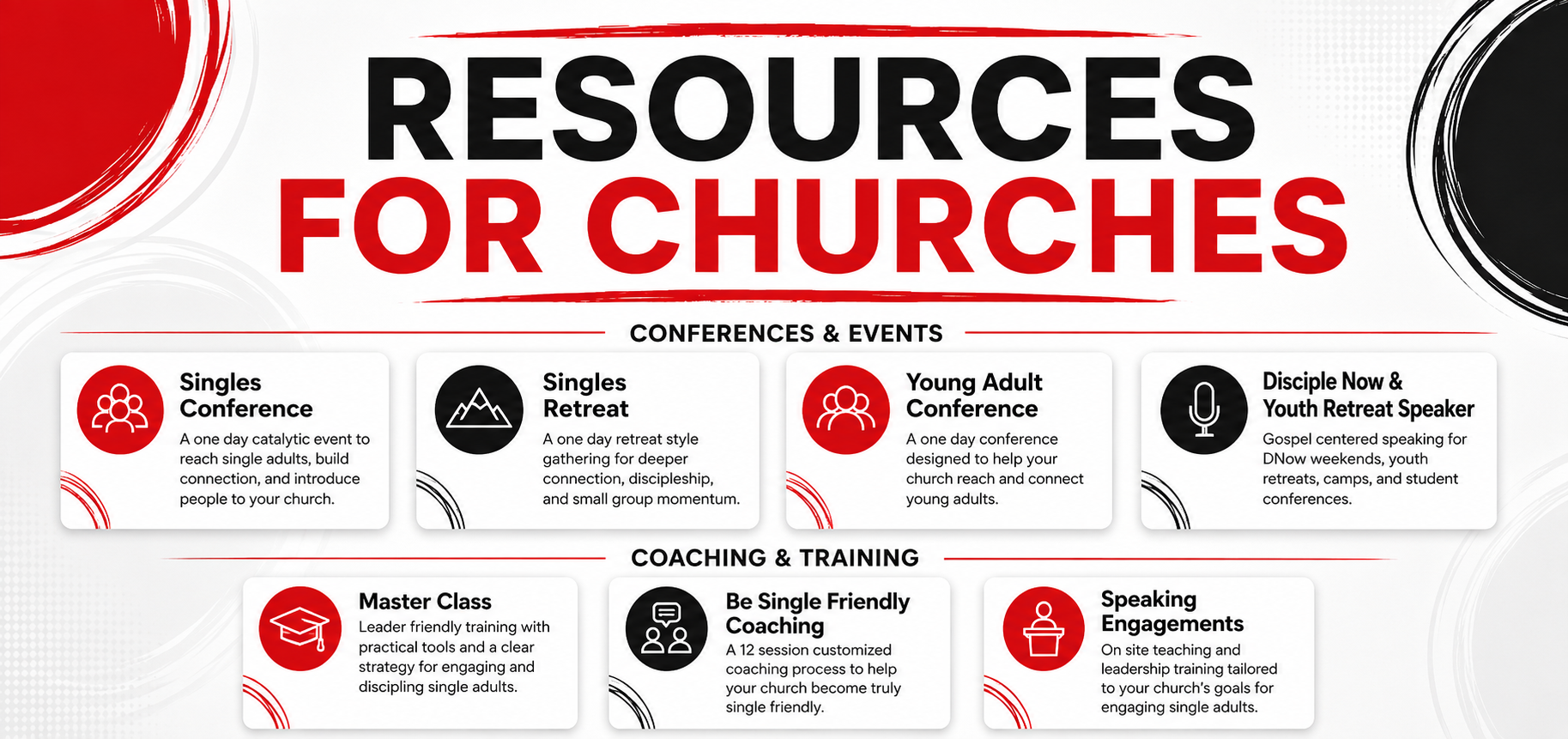
  • Resources for Churches

    Slide title

    Learn More

    Button
  • Singles Shop

    Slide title

    Write your caption here
    Button

Dating after divorce can bring its own unique set of challenges and complexities, especially for Christians who want to honor the Lord in their relationships. If you are dating someone who is divorced, it is wise to approach the relationship with care, understanding, and biblical discernment. Asking the right questions early can help you assess compatibility, identify potential red flags, and confirm whether your values and faith direction truly align.


This is not about interrogation. It is about clarity. In 2026, clarity is one of the greatest gifts you can bring to a relationship, and it is also one of the most loving things you can offer someone with a painful past.


Divorce is also not rare. The CDC reports a provisional 2023 divorce rate of 2.4 per 1,000 population among reporting states and DC.


The Census Bureau also shows divorce rates have generally declined over the last decade, but divorce remains a significant part of many adults’ stories.Through it all, we remember this: our ultimate completeness comes from Christ, not from a spouse.


What have you learned from your past marriage?

Understanding the lessons someone has taken away from their divorce can reveal a lot about their character, growth, and readiness for a new relationship. Divorce can be painful and deeply formative. For many people it becomes a turning point that exposes blind spots, reveals unhealthy patterns, and forces honest reflection.


Ask your date what they learned about themselves, their relationships, and their approach to marriage. Listen for humility. Listen for ownership. Listen for evidence of maturity. Have they recognized areas where they needed healing or growth? Are they more self aware now than they were then? Do they talk about the past with sobriety and truth, without living in blame or bitterness?


How has your relationship with Christ grown through this experience?

One of the most important aspects of any Christian relationship is the spiritual health of both individuals. When you ask a divorced person about their faith, you are not looking for a perfect story. You are looking for a real walk with Jesus. Have they drawn closer to Christ for comfort, strength, conviction, and direction?


Has the Lord shaped their view of grace, forgiveness, repentance, and accountability through this experience?


This question is also where you gently test the foundation. Are they seeking a relationship to fill emptiness, or are they dating from wholeness?


Colossians 2:10 reminds us that believers have been brought to fullness in Christ. Our identity and security are not built on relationship status.


What role did faith play in your previous marriage?

It is important to understand how faith actually functioned in their marriage, not just whether faith was a label they carried. Was faith a shared commitment and daily practice, or was it mostly nominal? Was there church involvement? Were there patterns of spiritual leadership, prayer, repentance, and community accountability? If the marriage lacked shared faith, what impact did that have? If both claimed Christ, what broke down spiritually over time?


This is not about digging for gossip. It is about understanding spiritual patterns, because patterns tend to repeat unless there has been real change.


What boundaries and healing processes have you put in place since your divorce?

Boundaries are essential for emotional health and long term relationship stability. When dating someone who has been divorced, it is wise to ask what they have done to heal and what safeguards they have put in place. Have they pursued counseling, pastoral care, or a trusted recovery group? Have they done the work of forgiveness and grief? If children are involved, have they established healthy coparenting boundaries that reduce conflict and protect the kids? Are there financial or legal realities that a future spouse would need to understand?


This question helps you discern whether the divorce is a closed chapter or still an open wound.


A pastoral note here: loneliness is real, and it can push people into relationships too quickly. The US Surgeon General’s advisory warns that lacking social connection can carry health risks comparable to smoking up to 15 cigarettes a day, and it notes that approximately half of US adults report experiencing loneliness.


That does not mean you should fear loneliness. It means you should not let loneliness drive your timeline.


Finding completeness in Christ

Asking these four questions is not about being overly cautious or suspicious. It is about honest communication and wise discernment. The goal of Christian dating is not to avoid all pain. The goal is to honor God and walk in truth.


Colossians 2:10 reminds us that we are complete in Christ. Whether single, dating, divorced, or remarried, our fulfillment is rooted in Jesus, not in another person. When we live from that wholeness, we are free to date with peace, patience, and integrity.


If you are dating someone who has been divorced, take your time. Invite wise counsel. Stay connected to the local church. Build slowly on trust, not urgency.


Related reading from Table for One Ministries


AI Girlfriend, AI Dating, and the Loneliness Epidemic

FAQ for Christian Dating After Divorce

Q. Is it biblical for a Christian to date someone who is divorced?
A. It depends on the circumstances and on whether the person is biblically free to remarry. Even when someone is legally divorced, Christians should pursue biblical wisdom, pastoral counsel, and a careful look at Scripture before moving toward marriage.


Q. What are the best questions to ask someone who is divorced before getting serious?
A. Start with these four: what they learned, how their relationship with Christ has grown, what role faith played in the marriage, and what healing and boundaries they have established since the divorce. Those questions reveal readiness, maturity, and alignment.


Q. What are common red flags when dating after divorce?
A. Ongoing bitterness, refusal to take any ownership, rushed intensity, secrecy about the past, unstable coparenting conflict, lack of accountability, and a pattern of blaming everyone else. Red flags do not mean you condemn the person. They mean you slow down and seek wisdom.


Q. How long should someone wait to date after divorce?
A. There is no universal timeline, but healing should be visible and supported by wise counsel. Look for emotional stability, consistent spiritual growth, and healthy boundaries. A good sign is when the divorce story can be shared honestly without anger controlling the room.


Q. How do I know if a divorced person is emotionally ready for a new relationship?
A. Emotional readiness usually includes humility, clear ownership, demonstrated change, appropriate boundaries with an ex spouse, and a life that is not dominated by unresolved conflict. They should be able to talk about the past without constantly reliving it.


Q. What if children are involved?
A. If children are involved, you are not only dating an individual, you are stepping toward a family system. Ask about coparenting boundaries, communication expectations, custody realities, and how the children are being cared for emotionally and spiritually.


Q. How should Christians think about loneliness while dating?
A. Loneliness is real, but it should not drive decisions. The Surgeon General has warned that lack of social connection is a serious health issue, and that many adults report loneliness.


The church should respond with meaningful community, and individuals should date from completeness in Christ, not from panic.

Q. Where can I find reliable divorce statistics in the United States?
A. Start with the CDC and the US Census Bureau.

https://www.cdc.gov/nchs/fastats/marriage-divorce.htm

https://www.census.gov/library/stories/2024/10/marriage-and-divorce.html


By Table for One Ministries • September 28, 2026
You remember a friend’s difficult appointment and send a message afterward. Someone from church notices your long week and brings dinner, while another person makes time to sit and listen. These ordinary moments help us understand that giving and receiving love already belong in a single adult’s life. When most conversations about love languages begin with a spouse or a dating relationship, however, it can be easy to miss how much they have to do with the people already around us.  The five love languages for singles are words of affirmation, quality time, receiving gifts, acts of service, and physical touch. Gary Chapman’s framework gives us a way to discuss how we express care and what helps us recognize it. Single adults can consider these ideas in friendships, family relationships, dating, and church community, with appropriate boundaries for each relationship. From a Christian perspective, their usefulness should lead us toward loving people more faithfully as we follow Jesus. Why the five love languages matter for singles A single adult may be building a career, raising children, caring for a parent, grieving a spouse, or enjoying a meaningful life without plans to marry. Each of those circumstances includes relationships that deserve attention. Someone who has never married does not need to wait for a wedding to learn how to encourage a friend or receive help. Someone rebuilding life after divorce still has opportunities to develop trust and participate fully in Christian community. The U.S. Census Bureau’s 2025 estimates put the median age at first marriage at 30.8 for men and 28.4 for women. Churches should take these years of adult life seriously, while remembering that singleness also includes people in later decades and people who have been married before. Our teaching about relationships needs room for the lives people are actually living. Friendship, hospitality, service, and spiritual growth matter throughout those lives, whatever the future holds. Chapman’s The 5 Love Languages Singles Edition applies the framework beyond marriage, including relationships with friends and family. That broader application is helpful because a single adult’s relationships have value in the present. A friendship does not need to become romantic to be meaningful. Learning to understand another person can become part of how we honor that person and take responsibility for our life together. A Christian perspective on love languages For Christians, love begins with God’s character and His gracious action toward us. First John 4:19 (ESV) says, “We love because he first loved us.” In the surrounding passage, John connects God’s love revealed through His Son with our responsibility to love one another. We respond to the love we have received in Christ by learning to care for real people, including people whose needs and preferences differ from ours. Jesus lived His earthly life unmarried, fully obedient to the Father and without any deficiency in His humanity. Marriage is a good gift, but it cannot serve as the church’s measure of spiritual maturity or usefulness. In Colossians 2:9–10 , Paul grounds the believer’s fullness in Christ, not in a relationship status. Being complete in Christ gives us a secure foundation for relationships while leaving room to acknowledge our need for friendship, encouragement, and community. We should also be careful about what we ask love languages to accomplish. A 2024 review by Emily Impett, Haeyoung Gideon Park, and Amy Muise found limited scientific support for the framework’s central claims, including the idea that matching a partner’s preferred language reliably produces greater relationship satisfaction. That research concerns romantic relationships; it does not establish an outcome for friendships or church ministry. I would use the categories to begin thoughtful conversations, while allowing Scripture to guide our understanding of love and paying attention to the whole person. All five love languages with examples for singles The official explanation of the five love languages identifies five familiar ways people communicate affection and care. The examples below apply those categories to everyday single adult life. As you read, consider both what you appreciate receiving and what someone close to you may need. You may recognize yourself in several categories, and another person may value a different response than the one you naturally offer. Words of affirmation Words of affirmation communicate care through sincere encouragement, appreciation, and acknowledgment. For single adults, that might mean a friend recognizing a difficult decision, a parent expressing gratitude, or a church leader naming someone’s faithful contribution. Specific words help us understand what another person has noticed. Telling a single parent that you saw their patience during a difficult evening communicates more than a general compliment offered in passing. Christian encouragement should be truthful and attentive to the person’s circumstances. Ephesians 4:29 directs believers toward speech that builds others up according to the need of the moment. A divorced friend may appreciate recognition of their steady obedience without another prediction about finding someone better. A never-married adult may need to hear that their wisdom and service already strengthen the church, without every compliment turning into a comment about their eligibility for marriage. If words of affirmation matter to you, explain that kindly to trusted people. You can tell a friend that their specific encouragement stayed with you during a difficult week. Then practice offering the same attentiveness to someone else. This week, name one quality you have actually observed and explain how it has encouraged you. Quality time Quality time communicates care through focused attention and shared presence. For singles, it can look like an unhurried conversation after church, a regular walk, or a meal where phones stay put away. The activity creates room to know one another more deeply. Listening to what someone says, remembering it, and returning to the conversation later can help a friendship grow beyond exchanging updates. Availability will look different across relationships and seasons. A single parent may have a short window between responsibilities, while an older adult may prefer a daytime visit to an evening gathering. Ask what is realistic and make a plan both people can keep. Friendship becomes more dependable when we respect one another’s work, rest, family responsibilities, and need for personal space. If you appreciate quality time, a clear invitation gives another person something concrete to consider. Suggest lunch next Sunday or a phone call during a mutually convenient time. Allow room for a different suggestion or a gracious decline. Consistent attention can grow through ordinary routines without making constant access to another person the measure of their love. Receiving gifts Receiving gifts describes the significance of a thoughtful, tangible expression of care. The value may come from what the gift communicates about being remembered. A favorite snack, a book connected to a recent conversation, or a small item celebrating an accomplishment can carry that meaning. A useful question is whether the gift reflects something you know about the person receiving it. Single adults have milestones worth celebrating throughout their lives. Completing a certification, moving into a new home, recovering from a difficult season, or reaching a meaningful birthday can give friends an opportunity to pay attention. Churches can also celebrate faithful service and personal growth across different life circumstances. These occasions help us recognize people whose celebrations may receive less attention than weddings and baby showers. Keep gifts appropriate to your budget and to the relationship. An expensive gift may create discomfort, particularly when romantic intentions are uncertain. Give with the freedom to receive a simple thank-you, without expecting affection, access, or repayment. Thoughtfulness remains possible when money is limited, especially when you have taken time to learn what someone values. Acts of service Acts of service communicate care through practical help that responds to an actual need. A ride when a car is being repaired, help carrying furniture, or a meal during a demanding week can make a meaningful difference. Single adults may be managing many responsibilities without another adult in the home, though their circumstances vary widely. Asking before acting helps us offer assistance that is useful and welcome. For a single parent, practical support might involve an agreed grocery pickup or help from a trusted caregiver. For someone grieving a spouse, it might mean assistance with a household task their spouse once handled. Offer a specific possibility, then listen to the response. That approach gives the person room to accept, suggest something different, or decline without embarrassment. In Galatians 6:2 , Paul calls believers to help carry one another’s burdens as an expression of life under Christ. Receiving appropriate help can therefore be part of participating in the body of Christ. You do not have to repay every kindness immediately to remain someone’s equal. As circumstances allow, you can also bring your own gifts and abilities to the needs of others. Physical touch Physical touch refers to appropriate, welcomed contact that can communicate affection or support. For singles, this might include a hug from a trusted friend, holding a family member’s hand during grief, or a celebratory high-five. Some people find these expressions meaningful, while others prefer more personal space. The relationship, setting, and other person’s comfort all matter. Ask before initiating touch when you are unsure, and accept the answer without pressure. A person’s history, culture, preferences, or present circumstances may influence what feels welcome. Church members should have the freedom to choose a handshake, a verbal greeting, or no physical contact. Respecting that choice is itself an expression of care. A preference for physical touch does not create a claim on someone else’s body. For Christian singles who are dating, affection also needs to honor biblical sexual ethics and the conviction that sexual intimacy belongs within marriage. Honest conversations about boundaries belong alongside conversations about affection. You can acknowledge a desire for closeness while making choices that honor Christ and the dignity of another person. How to discover your love language while single You can explore your love language without being in a dating relationship. Begin by remembering occasions when a friend or family member helped you feel understood and cared for. Consider what happened and why it mattered. Then ask whether you tend to express care in the same way or whether your habits of giving differ from what you appreciate receiving. If you want a guided starting point, use the official love language quiz . Treat the result as a prompt for reflection and conversation. It cannot tell you everything about your needs, and it should not become a test that everyone around you must pass. Continue learning through honest relationships, especially when your circumstances change. It also helps to describe what would be useful in a particular moment. You might explain that you would appreciate someone listening before offering advice, or that a ride would help more than another encouraging message that day. Ask the other person what would serve them as well. Mutual understanding grows when both people have room to speak and neither is expected to read the other’s mind. Be a friend worth having this week At Table for One Ministries, we encourage people to be a friend worth having . That begins with noticing the people God has placed in our lives and taking responsibility for how we treat them. Love languages can help us consider a practical response, but Christian friendship also requires honesty, patience, forgiveness, and faithfulness over time. First Corinthians 13:4–7 gives us a picture of love that reaches into our character and conduct. Choose one person this week and ask what would help them feel supported. Listen carefully enough to discover whether they need encouragement, time, practical assistance, or something you had not considered. Offer a response you can actually follow through on, and leave room for them to receive it freely. If you need care yourself, consider one trusted person with whom you can speak honestly. Church leaders can practice this same attentiveness by inviting single adults into ordinary life and listening to their perspectives. Include them in meals, meaningful responsibilities, and conversations about the church’s future. Notice their gifts and ask about their lives without making marital status the center of every conversation. A congregation grows in love when its members know one another well enough to care with understanding. If you want to explore Chapman’s framework further, The 5 Love Languages Singles Edition is available on Amazon . Read it alongside Scripture and discuss its ideas with people who know you well. Your next faithful step may be a conversation with a friend, a request for help, or a practical act of service. You can trust Christ, know Christ, and reflect Christ in the relationships before you today.
Singles Ministry Co-Leaders: Choosing Well, Handling Conflict
By Table for One Ministries • September 22, 2026
Learn how to choose singles ministry co-leaders, set clear small group expectations, resolve conflict biblically, and keep discipleship at the center of ministry.
Christian support for loneliness after losing a spouse.
By Table for One Ministries • August 28, 2026
Learn how Christian widows and widowers can deal with loneliness after losing a spouse through prayer, community, support, and hope.
 Bible says about widows and God’s care for widowhood.
By Table for One Ministries • August 28, 2026
Explore what the Bible says about widows, God’s care, church support, Psalm 68:5, James 1:27, and biblical hope in widowhood.
Open Bible beside a quiet window representing Christian hope after losing a spouse for widows and wi
By Table for One Ministries • August 21, 2026
Find Christian hope after losing a spouse with biblical comfort, grief support, Scripture, and encouragement for widows and widowers.
Young adults gathered in biblical community as a church helps them apply biblical principles to AI
By Table for One Ministries • August 17, 2026
Churches can help young adults use AI with biblical wisdom, resist artificial intimacy, and build real discipleship in biblical community for today's world.
Christian single adult considering dating after divorce with wisdom, healing, and faith.
By Table for One Ministries • August 10, 2026
Dating after divorce requires wisdom, healing, community, and clear faith. Learn how Christian singles can move slowly and stay complete in Christ today wisely.
Divorced adult finding Christian hope through Scripture, prayer, and journaling after divorce.
By Table for One Ministries • August 3, 2026
Life after divorce can feel uncertain and painful. Find Christian hope, identity, purpose, and community as you rebuild complete in Christ after divorce now.
Christian healing after divorce through prayer, grief, Scripture, and trusted support.
By Table for One Ministries • July 27, 2026
Healing after divorce takes honest grief, biblical comfort, wise support, and community. Learn how Christ restores identity beyond shame, loss, and pain today.
single men in church
By Table for One Ministries • July 20, 2026
Single men in church need more than attendance. Here are 7 ways churches can help single men belong, lead, serve, grow in Christ, and matter in the mission.